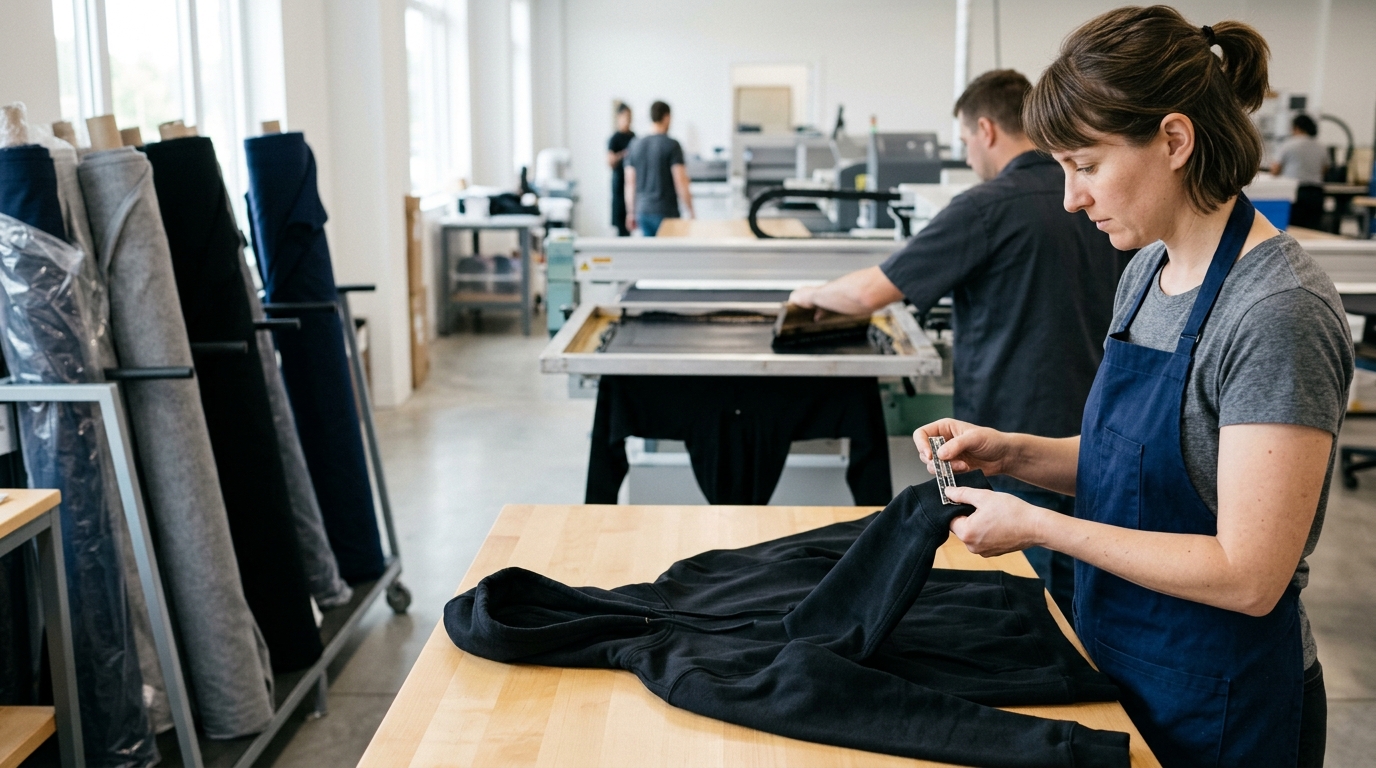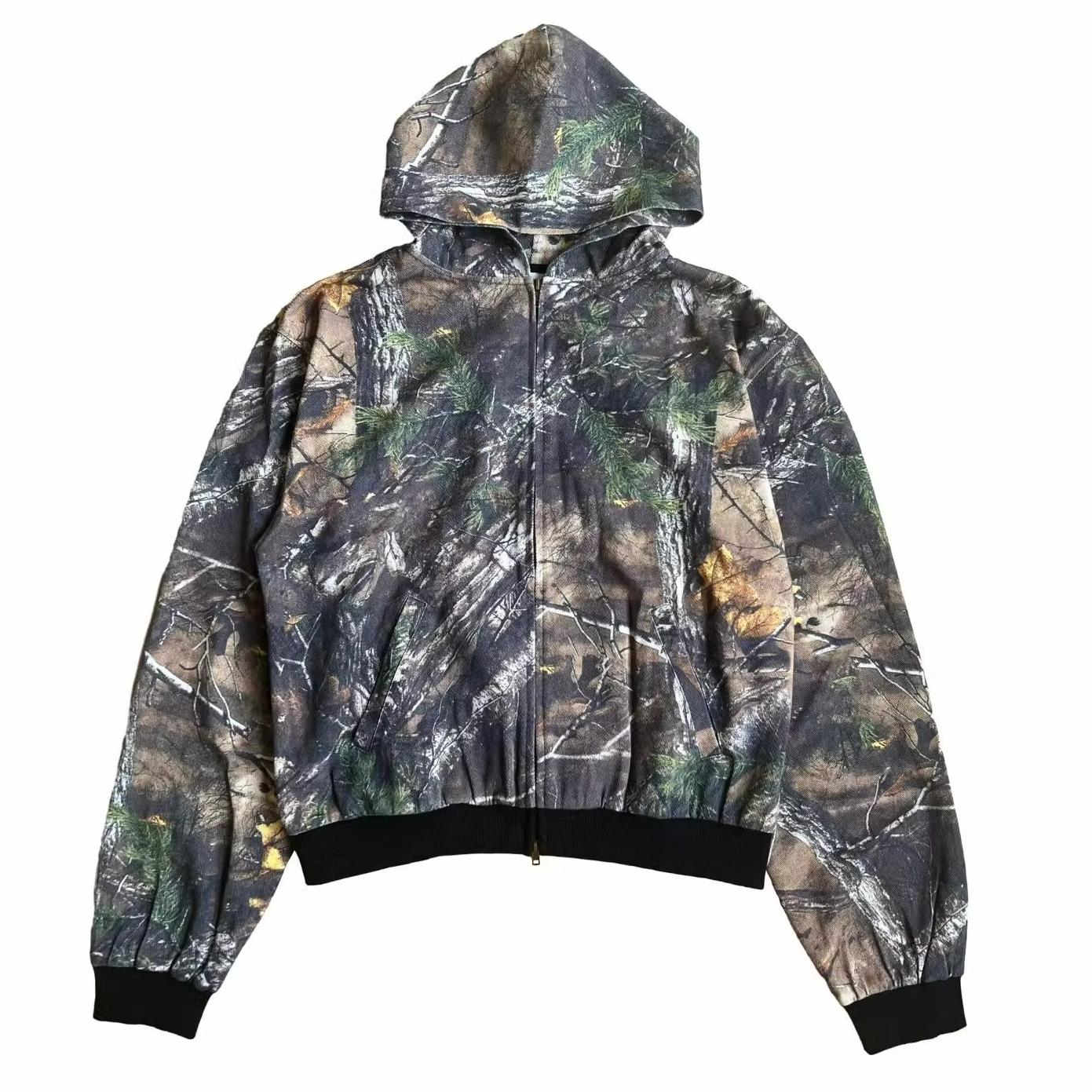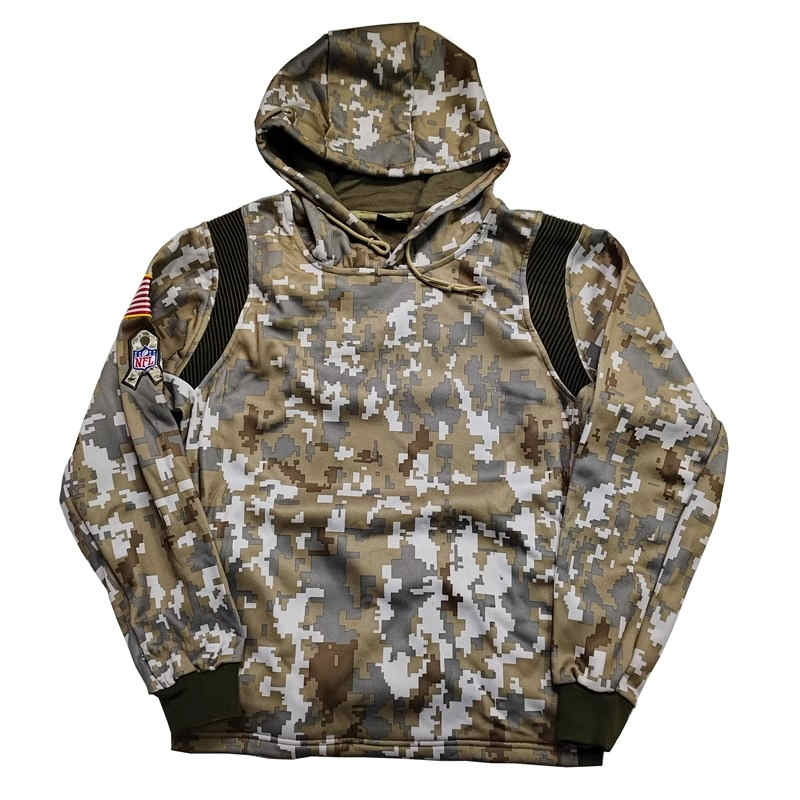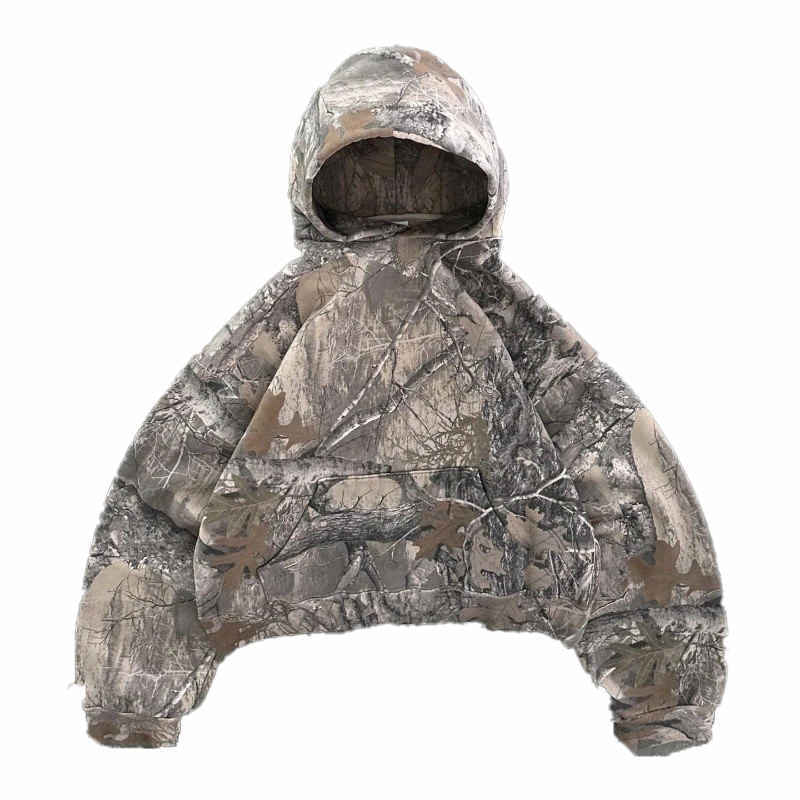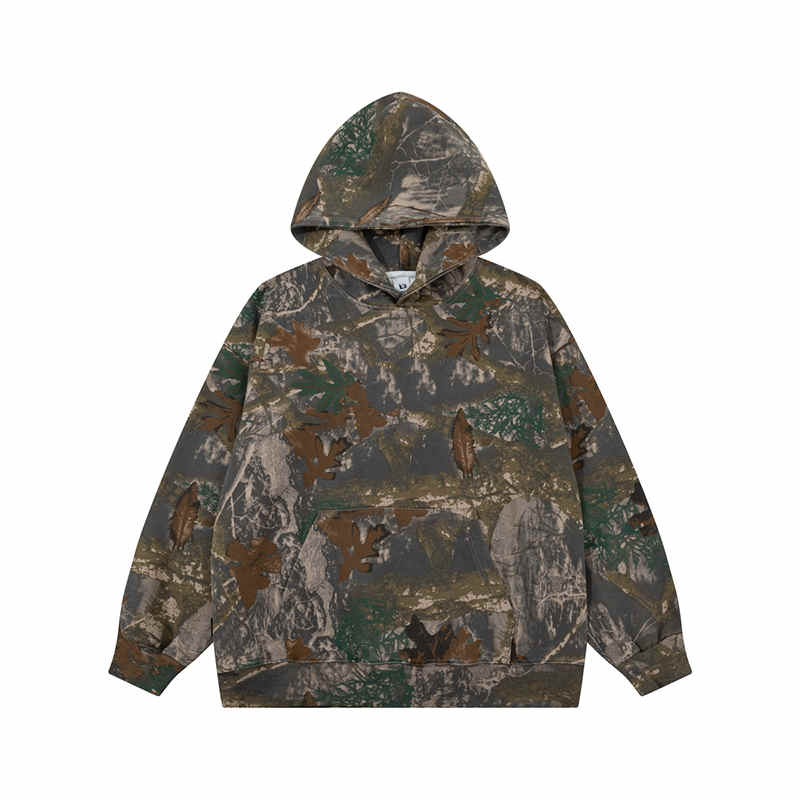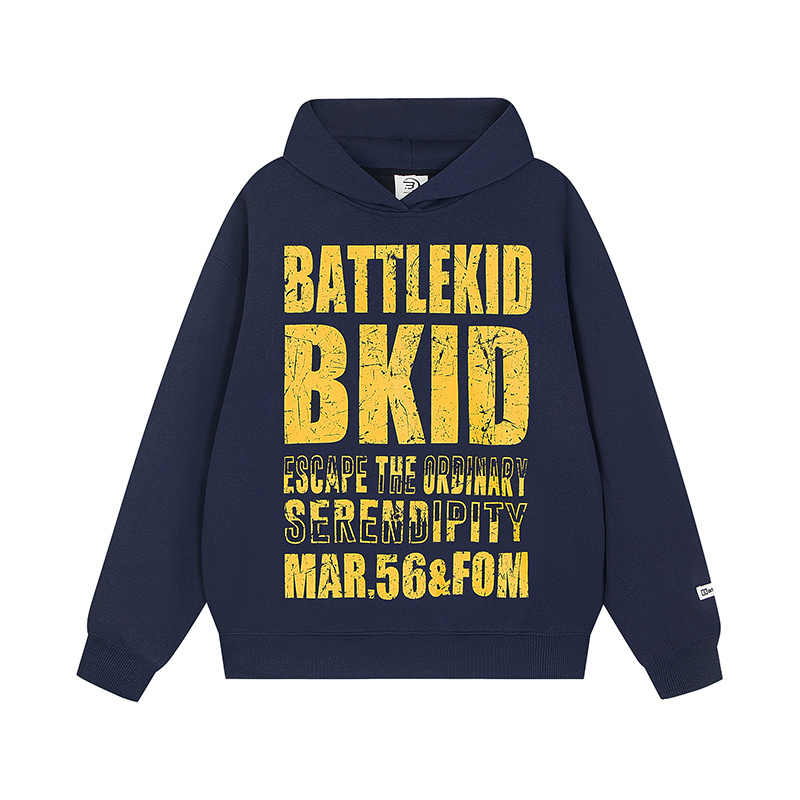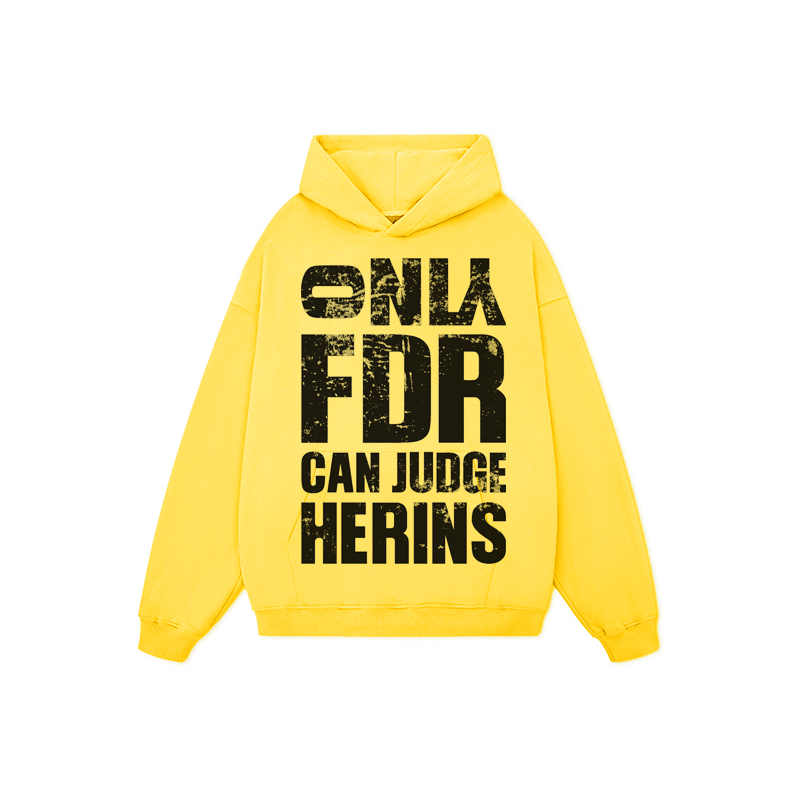
Screen printing is quite imposing as the fine technique for designing such quality custom-made fabrics as is often done on band t-shirts, brand logos, and event merchandises too as it is the technique that actually powers these clothes. People tend to regard it as the most competent and professional one because it is the one that you can use to create unique graphics. This guide is the consummate and compact resource bank for everything about the screen printing of clothes.
We will go through everything from the theoretical simplicity to the practically advanced stuff. We will discuss the main points regarding how to prepare artwork and assist you in choosing the best route to finish your design. Whether you are starting a new line or are just curious, we at TZ Streetwear believe that knowledge is the first step to great clothes.
What is Screen Printing? A Look at the Timeless Technique
Screen printing is essentially a sophisticated stenciling method. Ink transfers onto fabric through a mesh screen that’s blocked off in specific areas to create your design.
Picture it as a highly controlled and repeatable stencil. A squeegee pushes ink through the open mesh areas, directly printing the design onto the garment. This process creates a thick, opaque ink layer that bonds with the fabric.
The basic process of screen printing clothes breaks down into four key stages:
- Design Creation: Your digital artwork gets finalized and separated into individual color layers.
- Screen Preparation: Each color layer transfers onto a separate mesh screen using light-sensitive emulsion. This “burns” the design into the screen, creating a precise stencil.
- Ink Application: The garment sits on a platen while the screen lowers. A squeegee pushes ink through the stencil onto the fabric. This repeats for each color.
- Curing: The printed garment passes through a large conveyor dryer. Heat cures the ink at a specific temperature, making the print permanent and wash-resistant.
Why Choose Screen Printing for Clothes? Pros vs. Cons
Choosing the right printing method is critical for your project’s success. Screen printing offers distinct advantages for certain order types, but you need to understand its limitations.
Methods like Direct-to-Garment (DTG) excel for photorealistic, low-quantity orders. However, screen printing remains the industry leader for bulk production due to its durability and vibrant results. Here’s a clear breakdown to help you choose the best method for printing your clothes.
| Pros | Cons |
|---|---|
| Vibrant & Opaque Colors: Ink sits on top of the fabric, creating bright, vivid graphics, even on dark garments. | High Setup Costs: Creating screens for each color is time-consuming, making it less economical for very small orders. |
| Exceptional Durability: Cured ink bonds with the fabric, resulting in a print that won’t crack or fade easily and lasts for years. | Limited Color Complexity: Each color requires a separate screen, so designs with many colors or gradients can become expensive. |
| Cost-Effective for Bulk: It is highly cost-effective for printing large custom apparel orders, as the price per unit drops significantly with quantity. | Not Ideal for Single Items: The setup process makes one-off prints or very small batches impractical and costly. |
| Versatility: Works on a wide range of fabrics, including cotton, blends, polyester, and canvas. | Less Detail on Complex Art: Extremely fine lines or photorealistic images are challenging without advanced (and more expensive) techniques. |
Beyond the Basics: Matching Screen Printing Techniques to Your Vision
Not all screen printing is the same. The ink type you choose dramatically affects the final look, feel, and performance of the print. Understanding these options moves you from simply putting a logo on a shirt to creating a specific, intentional product.
Plastisol Ink
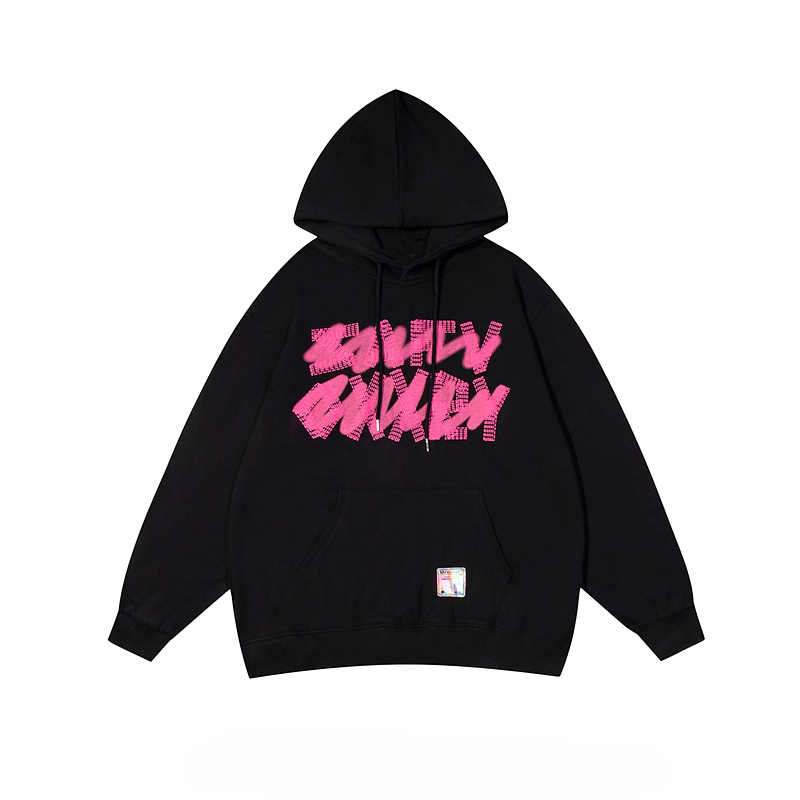
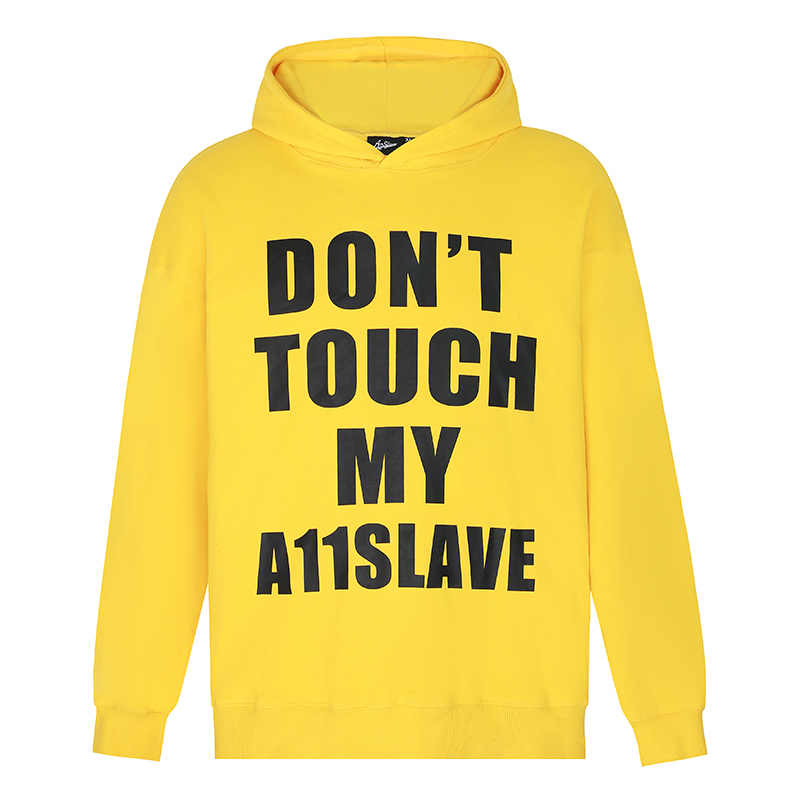
Plastisol is the most common ink used in commercial apparel printing and for good reason. It’s a plastic-based ink that sits on top of fabric fibers. This creates exceptionally bright, opaque, and durable prints.
- Best For: Bold, vibrant graphics on almost any fabric type, especially dark-colored garments where color brightness matters. It’s the go-to for a durable hoodie from a quality manufacturer.
- Things to Consider: The print has a distinct, slightly rubbery feel. While modern plastisols are much softer, they’re not as breathable as water-based inks.
Water-Based & Discharge Inks
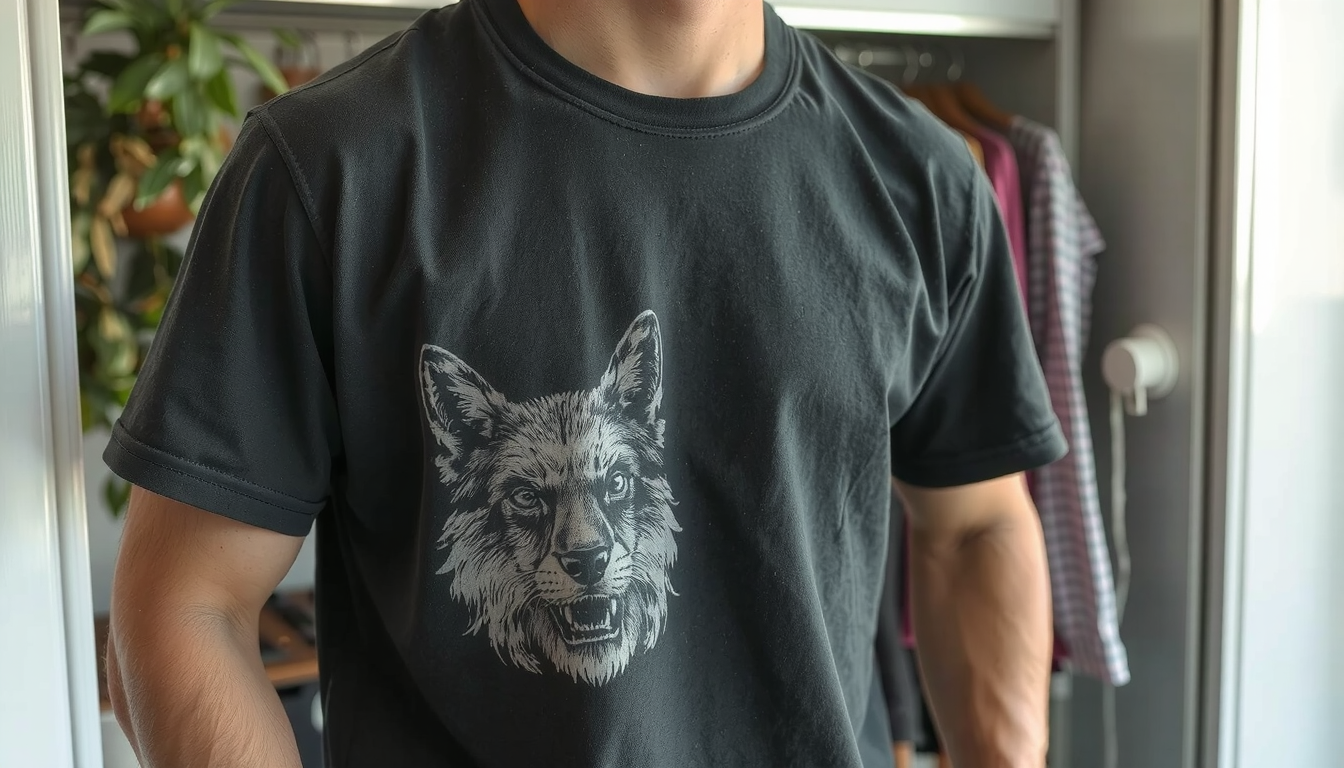
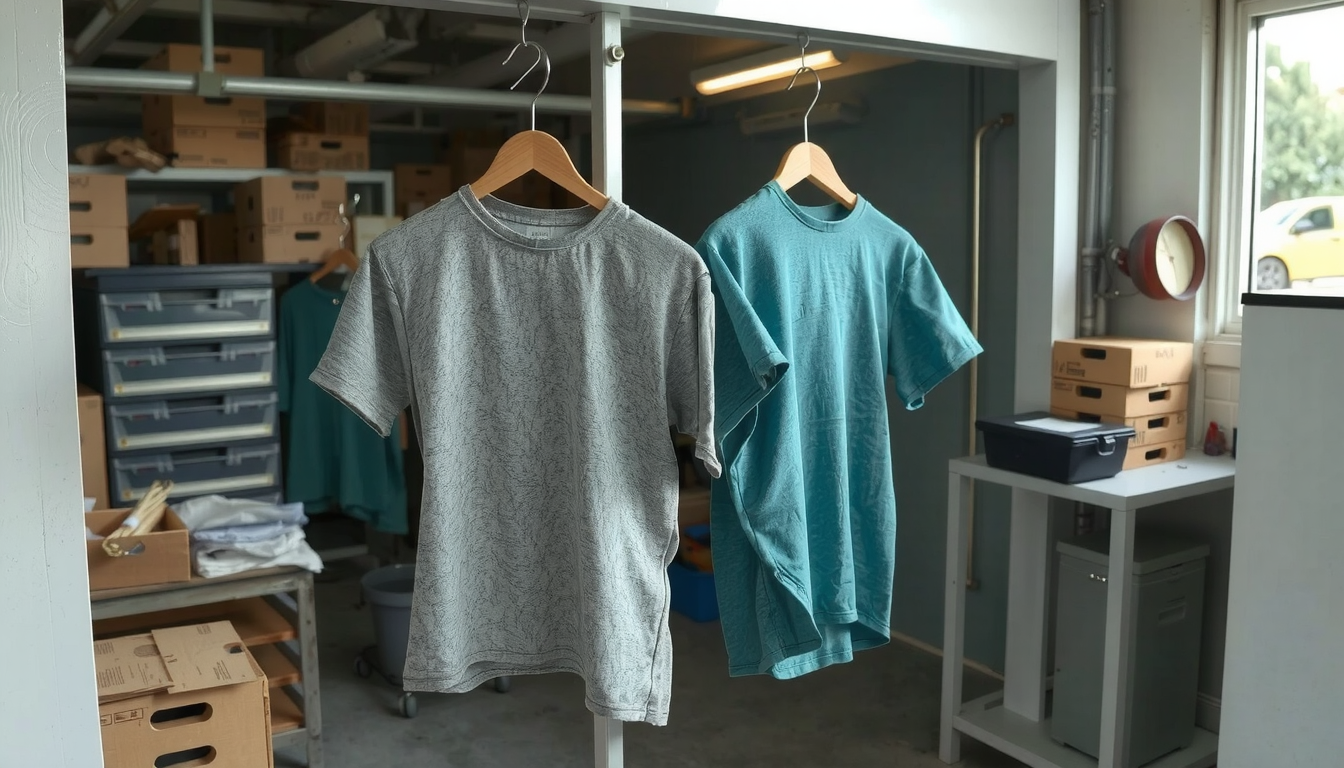
For a premium, soft-hand feel, water-based and discharge inks are the answer. Water-based ink literally permeates fabric fibers instead of being on top. This results in a print that has virtually no feel.
Discharge ink is a type of water-based ink that removes dye from the garment’s fibers and replaces it with the ink’s pigment.
- Best For: Achieving a “no-feel” or vintage look on 100% cotton garments. It’s perfect for high-end fashion and retail brands that prioritize comfort.
- Things to Consider: Color matching can be less precise. The final shade depends on the reaction with the fabric’s original dye. These inks work best on dark, 100% cotton fabrics.
Specialty Inks (Puff, Metallic, High-Density)
To make a design truly stand out, specialty inks offer unique textures and visual effects.
- Puff Ink: Contains an additive that expands under heat, creating a raised, 3D texture.
- Metallic Inks: Include metallic particles to create a shimmering, reflective finish.
- High-Density Inks: Create a very sharp, crisp, and raised print with a distinct hard edge, almost like an emblem.
Exploring these Different Types of Screen Printing Techniques allows you to add immense value and uniqueness to your apparel designs.
Artwork is Everything: A Pro’s Guide to Preparing Your Design for Screen Printing
From our experience, over 90% of printing issues start with the art file. A beautiful design on screen can turn into a production nightmare if not prepared correctly. Here’s how to get it right from the start.
Step 1: Vector is King (Usually)
Designs for screen printing should ideally be created in vector format (e.g., Adobe Illustrator files like .AI or .EPS). Unlike raster images (like .JPG or .PNG), vectors are made of mathematical paths. They can be scaled to any size without losing quality. This ensures clean, crisp lines for your final print.
Step 2: Master Your Colors
Each color in your design requires its own screen, which adds to the cost. For this reason, managing your color palette is crucial. Use solid, spot colors whenever possible. If you need a specific color match, provide a Pantone (PMS) color code. This ensures the printer mixes the ink to the exact shade you envision. This process is known as color separation.
Step 3: Mind the Details
Screen printing has physical limitations. Extremely thin lines (typically less than 1 point thick) or tiny, freestanding text may not hold on the screen. This leads to a broken or incomplete print. Always ensure your design elements are substantial enough to print cleanly.
Step 4: Outline Fonts and Expand Strokes
This is a non-negotiable technical step. Before sending your file, convert all text to outlines (or curves) and expand all strokes. This turns fonts and lines into solid vector shapes. It prevents any issues if the printer doesn’t have the specific font you used. This is a key part of our introduction to brand crafting and is essential for professional results.
DIY or Go Pro? Choosing Your Screen Printing Path
Once your design is ready, you face a choice: do it yourself or hire a professional. Both paths have merits, depending on your goals, budget, and volume.
The DIY Route
- Who it’s for: Hobbyists, artists exploring a new medium, or brands wanting to produce very small, hands-on batches.
- What you’ll need: A basic kit containing a screen, squeegee, photo emulsion, and inks.
- Pros/Cons: You get complete creative control and a low initial investment. However, it’s time-consuming and has a steep learning curve. Achieving consistent, professional-quality results is challenging.
Working with a Professional Printer
- Who it’s for: Established or aspiring clothing brands, businesses, event organizers, or anyone needing consistent, high-quality results in larger quantities.
- Pros/Cons: You gain access to professional equipment, expertise, and advanced techniques. This ensures a retail-quality product. The main drawback is the requirement for minimum order quantities (MOQs) and a higher per-piece cost on smaller runs.
Professional T-shirt printing services streamline this entire process. For professional results, partnering with an experienced manufacturer that specializes in high-quality screen printing is crucial to bringing your vision to life accurately.
Conclusion: Bringing Your Custom Clothing to Life
You now have a comprehensive map for navigating the world of screen printing clothes. From understanding the core process and choosing the right technique to carefully preparing your artwork, you’re equipped to make informed decisions. This knowledge is the foundation for creating custom apparel that looks great and stands the test of time.
Frequently Asked Questions (FAQ) About Screen Printing Clothes
1. How long does a screen print on a shirt last?
A professionally screen-printed design should last the lifetime of the garment. The ink is cured and physically bonds with the fabric, making it extremely durable. With proper care (washing inside-out on cold), it will resist cracking, peeling, or fading for years.
2. What is the minimum order for screen printing clothes?
This varies by print shop. Due to the setup costs involved in creating screens, most professionals have a minimum order quantity (MOQ). This is often between 12 and 24 pieces per design. For orders smaller than this, other methods like Direct-to-Garment (DTG) are typically more cost-effective.
3. Can you screen print on any type of fabric?
Screen printing is highly versatile, but the best results are typically on 100% cotton. Cotton/polyester blends also print very well. Fabrics like 100% polyester, nylon, or other performance wear require special inks. Sometimes they need a blocker base layer to prevent dye migration (the garment’s dye bleeding into the ink).
4. How much does it cost to screen print a t-shirt?
The cost is determined by four main factors: the quantity of shirts, the number of colors in the design, the number of print locations (e.g., front, back, sleeve), and the type of garment. The price per shirt decreases significantly as the order quantity increases. This happens because the setup costs are spread across more units.
5. What’s the difference between screen printing and heat transfer?
Screen printing applies liquid ink directly through a mesh stencil onto the fabric for a soft, durable, and integrated finish. Heat transfer applies a pre-printed design from special paper or vinyl onto the shirt using a heat press. Screen printing is generally superior for durability and feel in bulk apparel production. Heat transfer can be suitable for one-offs or full-color photos in small quantities.