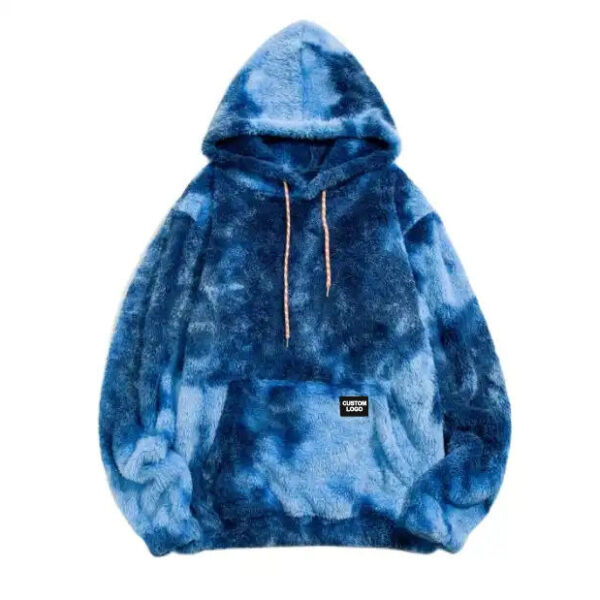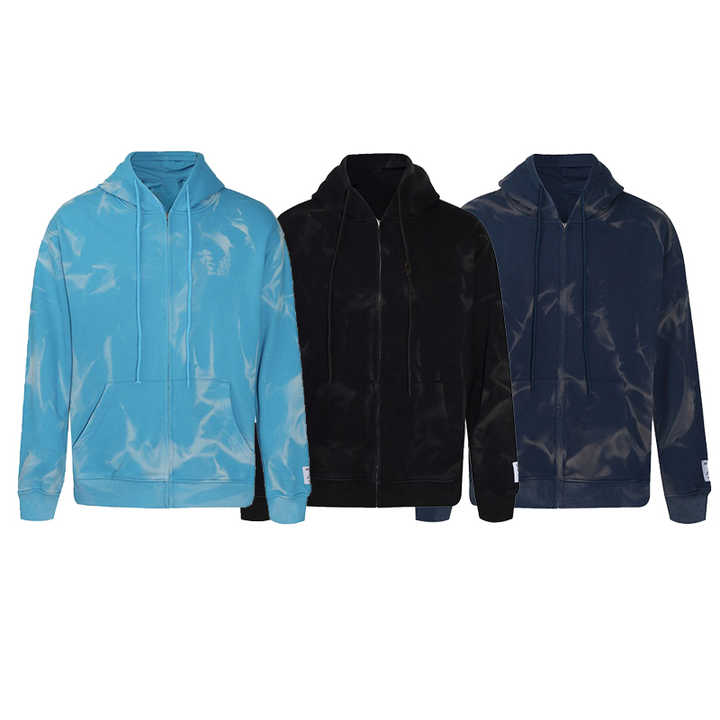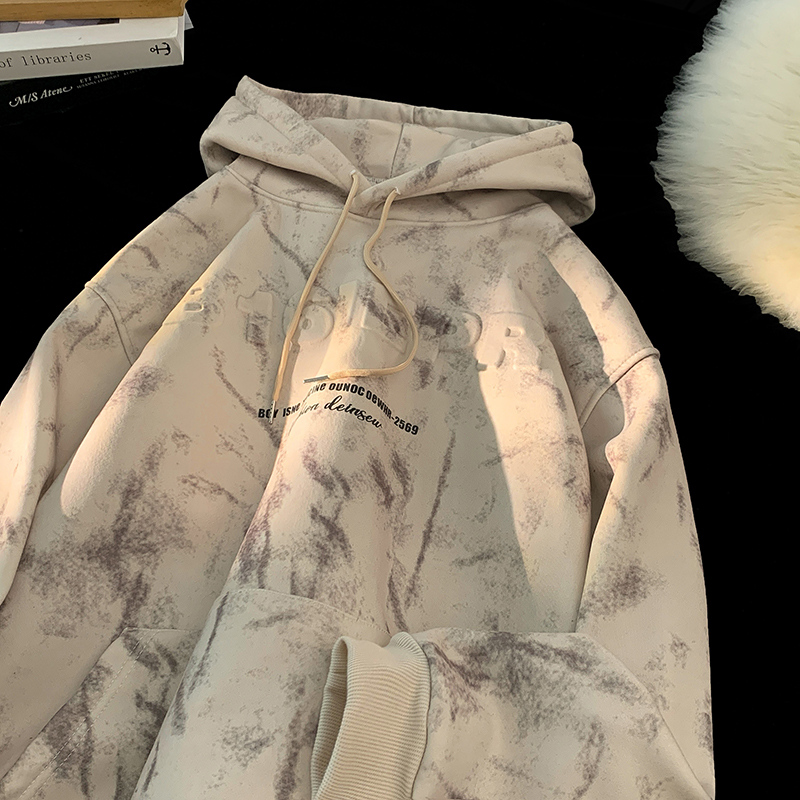
What gsm is essentials hoodie:
The secret of a great hoodie lies beyond its looks. It’s all about the GSM of the fabric. GSM stands for grams per square meter. It shows the quality of the textile, making the hoodie durable and comfortable. High GSM values make our hoodies both soft and strong.
A summer T-shirt often has a GSM between 120-160 g/m2. In winter, sweatshirts need a GSM of 300-400 g/m2 for warmth1. Our Essentials hoodie has a perfect GSM. This means it’s both warm and durable, just what you need2. We put a lot of thought into this, ensuring our hoodies are top quality.
This guide shows how important GSM is in choosing a great hoodie. It’s not just about numbers. It’s about quality and making sure you get the best. With the right GSM, your hoodie will be warm, strong, and comfortable. That’s our promise to you.
Understanding GSM in Fabric Manufacturing
In the world of quality textile production, GSM stands for Grams per Square Meter. This term is key for checking the weight and quality of fabrics, especially in fabric manufacturing. It’s a clear way to measure how durable and comfy textiles are34.
Knowing different GSM ranges is vital in the textile field. T-shirts might range from a light 100 GSM to a stronger 200 GSM. The heavier ones offer more quality and last longer3. Meanwhile, winter hoodies can range from a thick 300 GSM to a heftier 400 GSM. These are meant to keep you extra warm and feel of higher quality3.
Light hoodies might be in the 200-280 GSM range, perfect for milder weather. Medium-weight hoodies, at 280-350 GSM, offer a good mix of comfort and warmth. And heavy hoodies, over 350 GSM, are the best choice for cold conditions because they’re thick and durable5.
Picking the right fabric weight is crucial. It affects how a garment looks and feels. It also impacts the cost of making it. Heavier materials cost more to make. Being open about the weight of the fabric can show a manufacturer’s honesty about their product’s quality3.
Understanding GSM helps with making eco-friendly fabric choices. It’s important to consider the type of fabric, the garment’s purpose, and the environmental impact. Generally, higher GSM means a product is denser, might last longer, and therefore needs replacing less often4.
We believe in choosing fabric weights carefully to ensure products work well and are eco-friendly. We recommend checking out this guide on GSM for a deeper understanding of how to pick the right fabric weight3.
When looking at manufacturers in Los Angeles5, it’s clear that quality makes focus on GSM. They know how vital it is for the end product’s performance and look. Making fabric choices based on GSM helps create high-quality clothes that satisfy both designers and customers.
We encourage our fashion industry partners to see GSM as key when selecting fabrics. It’s essential for making items that excel in quality, comfort, and durability. By focusing on GSM, brands can produce items that truly show their commitment to excellence and customer happiness.
Identifying High-Quality Fabrics for Hoodies
We believe that the foundation of a quality hoodie begins with understanding and selecting superior materials. Let’s delve into what makes the fabric fit for top-tier hoodie production.
Fabric Density and Weight
When we discuss hoodie fabric density and fabric weight, we’re referring to the GSM (grams per square meter) – an essential metric that determines the fabric’s heaviness and its overall feel. A higher GSM not only ensures durability but also provides much-needed warmth in cooler seasons. For instance, a winter hoodie typically benefits from a GSM range between 300 and 400, aligning with a heavier, more protective garment6.
Exploring fabric weight in depth:learn more about GSM and its impact on fabric quality6. This detailed guide assists in selecting the right GSM based on specific hoodie usage and seasonal needs, making it an invaluable resource.
Types of Materials and Weaving Techniques
Selecting quality hoodie materials extends beyond just cotton. Sustainable options such as hemp and bamboo are increasingly gaining popularity due to their environmental benefits and durable nature7. Furthermore, the weaving techniques employed play a crucial role. The way fibers are interlocked determines not only the texture but also impacts the longevity and comfort of the hoodie.
It’s essential to understand that fabric material quality is a culmination of both the raw materials used and the method of their assembly. A robustly woven fabric not only enhances the aesthetic appeal but also ensures that the garment stands up to repeated wear and washes, which is vital for hoodie production.
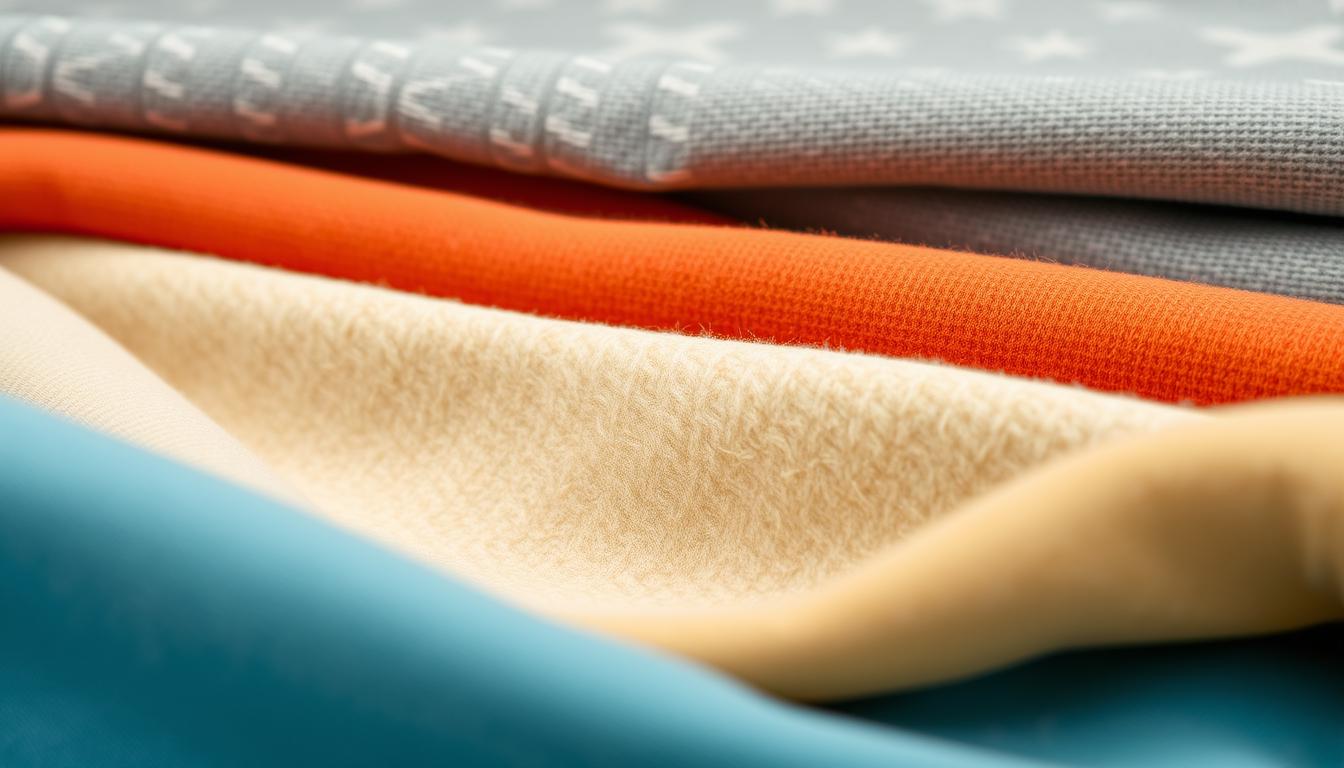
Innovation in textiles and a push towards sustainability are reshaping the fabric landscape. Brands committed to sustainability are often seen as more trustworthy due to their transparent practices and quality production methods, which include adhering to certifications like OEKO-TEX for organic cotton7. This not only furthers a brand’s market appeal but encourages a cycle of continuous improvement in fabric production.
In conclusion, high-quality hoodies come from a careful selection of fabric density, weight, and material alongside advanced weaving techniques. By choosing the right components, we ensure our hoodies are not only comfortable and stylish but also built to last and kind to the environment.
How to Interpret GSM Values for Optimal Comfort and Durability
Understanding GSM is key when picking hoodies that are comfy and last long. By analyzing GSM values, buyers and makers can find the best fabric for different weather and needs.
In cold places or for a plush feel, opt for fabrics with 400 to 500 GSM. These materials keep you warm and are super durable and high quality. Brands like Myles Apparel and Reign of Blood offer top-notch 400 GSM hoodies, focusing on sustainability and fine craftsmanship. Check out these hoodies here8.
| GSM Range | Recommended Use | Comfort Level |
|---|---|---|
| 200-300 GSM | Light, breathable, suited for warmer weather or indoor use | High for warm climates |
| 350-450 GSM | Winter gear, layering, outdoor activities | Optimal for cold environments |
| 450+ GSM | Extreme cold wear, professional use, luxury collections | Maximum warmth and luxury |
If you live in a mild climate or want something for all seasons, go for 250 to 350 GSM. These hoodies are of moderate weight, perfect for everyday wear, and don’t skimp on fashion8. About 75% of consumers prefer these for their great balance of comfort and style, says the Fashion Institute of Technology8.
Knowing about fabric types also helps with GSM. For example, cotton-polyester blends dry moisture 30% faster than just cotton. This makes them great for active or performance wear8.
Our goal is to equip our clients with GSM knowledge to improve product quality, meeting both practical and style needs. Understanding these details is not just about the technicals—it’s about creating meaningful experiences and value with every wear.
What GSM Is Essentials Hoodie: Unraveling Fabric Quality
Choosing the right Essentials hoodie means understanding the GSM (grams per square meter). GSM shows the fabric’s weight and quality. Essentials uses a GSM perfect for comfort and suitable for all seasons.
Different GSM levels change how a hoodie feels. High GSM means thicker fabric, which is warm and durable. It’s great for cold weather. On the other hand, low GSM makes hoodies light and breathable, perfect for warmer days or layering.
| GSM Range | Material Quality | Typical Use |
|---|---|---|
| 300-400 | High | Winter hoodies |
| 160-200 | Medium | Lighter wear, suitable for layering |
High-quality cotton hoodies usually have a high GSM. This means a tighter weave, which can handle a lot of washing and wearing. Thick fabrics keep you warm, keep their shape, and last longer9.
Picking a lower GSM works best for active wear or hot weather. The lighter material keeps you cool without feeling too heavy9.
Keeping consistent GSM is key for making every hoodie the same high quality. Essentials follows this standard closely. This ensures all hoodies meet quality and performance expectations10.
Essentials pays a lot of attention to quality, from picking the fabric to the last stitch. This means every hoodie shows their dedication to making customers happy10.
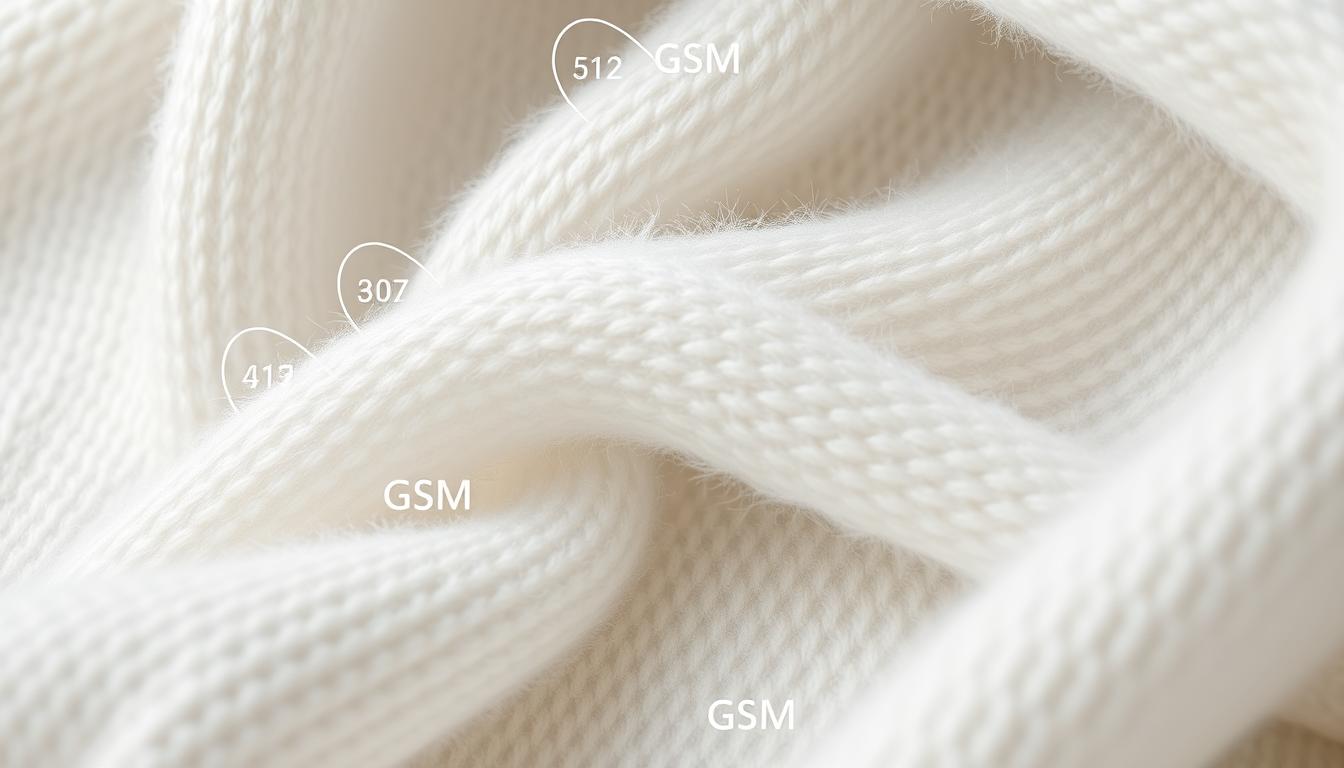
Seasonal GSM Recommendations for Hoodie Selection
Let’s make picking the right hoodie simpler, by focusing on the GSM of fabrics. This will help you choose a hoodie that’s both stylish and practical. Knowing the difference between light and heavy fabrics is key. They suit different weather conditions.
Comparing Lightweight and Heavyweight Fabrics
For hot summer days or layering in between seasons, pick lightweight fabrics around 200 to 250 GSM. These cotton-polyester blends breathe well and dry fast. Perfect for comfortable, light hoodies1112.
As for colder weather, choose heavier fabrics between 350 and 400 GSM. Fleece and thick cotton blends keep you warm. They’re ideal for your winter collection, offering both heat and lasting wear1113.
Best Fabrics for Different Weather Conditions
Picking the right fabric with the perfect GSM for the season is crucial. Let’s break down the choices:
- Summer & Indoor Settings: Up to 250 GSM with stuff like thin jersey and cotton-poly blends. They’re light and manage sweat well11.
- Autumn & Spring: Choose 250-350 GSM. Try French terry for a cozy but airy layer, great for these mild weather11.
- Winter & Cold Outdoors: Aim for 350 GSM or more. Fleece and wool blends are super for keeping you warm and comfy1113.
By choosing based on GSM and fabric type, you ensure comfort and function. Whether it’s a cool autumn night or a freezing winter day, your hoodie will fit the setting perfectly.
| Season | GSM Range | Fabric Recommendations |
|---|---|---|
| Summer | Up to 250 GSM | Cotton-Polyester blends, Thin jersey knits |
| Autumn/Spring | 250-350 GSM | French Terry, Cotton-Polyester blends |
| Winter | 350+ GSM | Fleece-lined materials, Wool blends |
Selecting the right hoodie for the season maximizes comfort, durability, and style. A great hoodie becomes a key piece of your closet. It’s both useful and fashionable!
Conclusion
As we end our detailed hoodie GSM guide, we understand that GSM is crucial. It’s not just a tag number. It helps us make smart choices for the right hoodie14.For both style lovers and business thinkers, GSM guides us through a huge array of fabric options. Light fabrics, with GSMs from 30-150, are perfect for summer, keeping us cool.
For those in cold places or wanting a plush feel, heavyweight fabrics above 300 GSM are ideal. They give the warmth and quality we seek1415.
In making and checking quality, GSM is vital. It helps maintain the uniformity of T-shirts with GSMs of 200 to 250. It also assures us of the thick, consistent quality in top hoodies, between 280 to 300 GSM, as chosen by top brands like Nike15.These figures are based on careful calculations and show our dedication to excellence that we and our partners value14.
We weigh every fabric piece, understanding its potential. This helps us find the GSM value, key to maintaining production quality from start to finish14.Quality control is essential for a brand’s good name. We work closely with our makers, setting clear GSM standards. This lets us tailor our products to meet the demands of each fashion leader we assist15.We’re devoted to enhancing fashion brands with top-notch making. It begins with the knowledge of GSM. This simple metric greatly influences the feel, lastingness, and look of the garment.
FAQ
What is GSM and why is it important for hoodie fabric quality?
GSM stands for grams per square meter. It measures hoodie fabric’s density, weight, and quality. Higher GSM means a more durable, thick material.
A lower GSM indicates a lightweight, breathable fabric. This measure helps assess hoodie quality.
How does GSM affect the comfort and durability of hoodies?
GSM impacts comfort and durability, showing fabric thickness. Higher GSM fabrics are durable and warm, perfect for quality hoodies in cold places.
On the other hand, lower GSM makes fabric softer. It’s more comfy in warmer environments.
Can the GSM of a hoodie determine its suitability for different seasons?
Yes, hoodie GSM guides its seasonal use. Light GSM hoodies suit summer or indoor wear. Heavier GSM is ideal for cold weather, providing more warmth and protection.
What GSM range is considered high-quality for winter hoodies?
For winter, high-quality hoodies usually have 300-400 GSM. This range ensures warmth and durability while remaining comfortable.
What weaving techniques and materials contribute to a hoodie’s quality?
The hoodie’s quality also comes from materials and weaving. Natural fibers like cotton bring breathability and comfort. Techniques like French terry and fleece add texture and warmth.
What should I consider when choosing a hoodie for different weather conditions?
Consider GSM and fabric properties for various climates. For warmth, pick a higher GSM over 350 for cold weather. For cool or indoor settings, choose up to 250 GSM.
For in-between weather, aim for 250-350 GSM. This balance offers comfort and adaptability.
How do I interpret GSM values to find the right balance between comfort and durability?
To balance comfort and durability, look at GSM. For colder places, prefer 300-500 GSM. It offers durability and warmth. For warmer or indoor use, choose 200-300 GSM for comfort.
Are there sustainability considerations when it comes to hoodie fabric quality?
Yes, sustainability is key. Choosing eco-friendly materials like organic cotton or bamboo ensures quality and environmental care. Sustainable processes also make hoodies last longer.
Is the Essentials hoodie made with a high GSM?
Essentials brand details on GSM are not always clear. But its premium quality implies a higher GSM. This brings comfort, durability, and versatility for all seasons.
What are the best hoodie fabrics for summer and indoor use?
For summer and indoors, opt for lightweight fabrics. Cotton-poly blends and thin jersey knits up to 250 GSM are ideal. They offer moisture-wicking and breathability for comfort.
Why is it important for fashion entrepreneurs to understand GSM?
For fashion entrepreneurs, knowing GSM is vital. It helps in offering quality products that meet market demands. It also considers seasonality and functionality in their offerings.